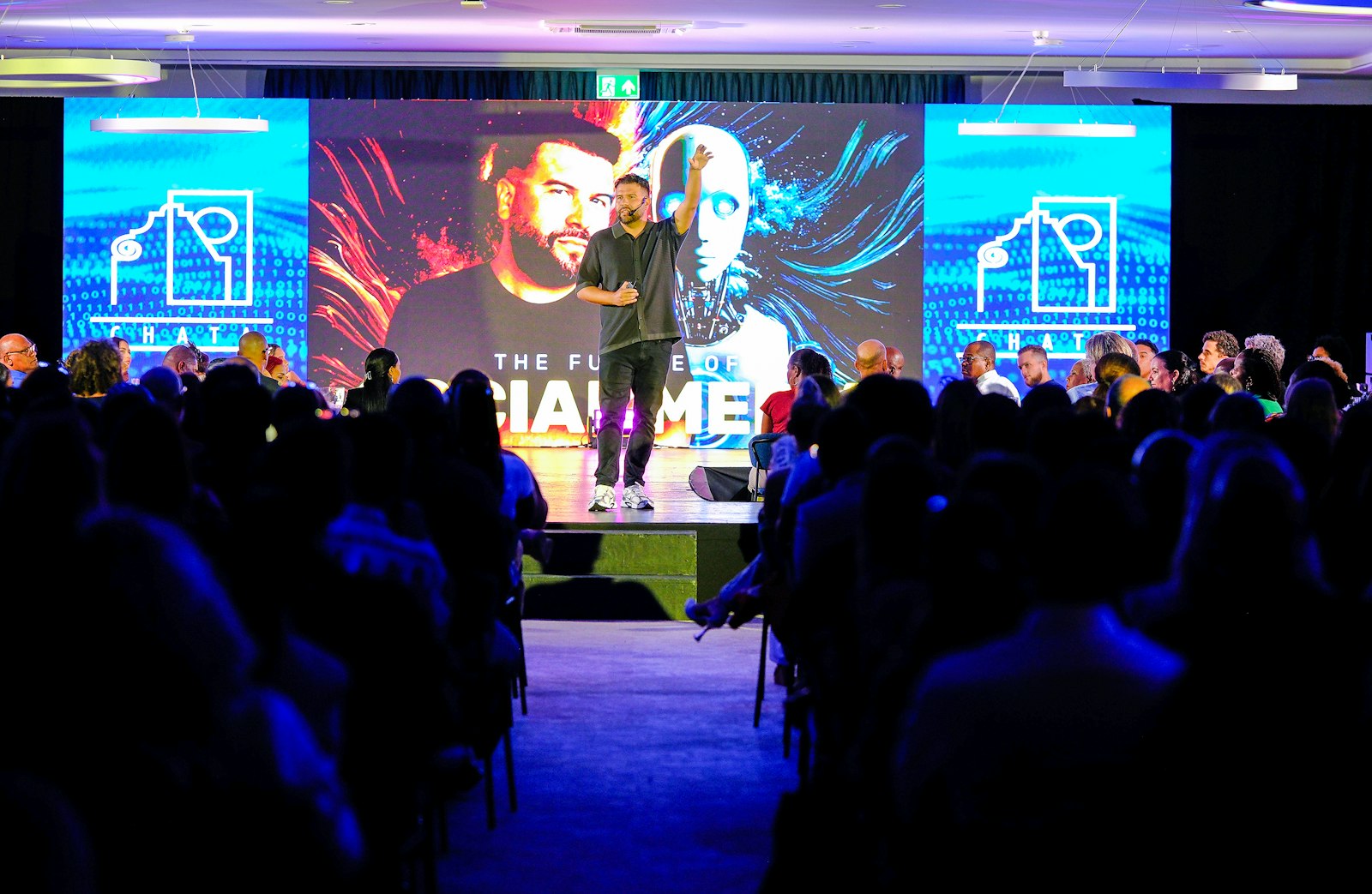
One on One Presentation Coaching for Construction Leaders

Construction leaders spend their days in a field where plans change by the hour, and yet many of them get very little formal practice speaking in front of owners, bonding agents, subcontractors or their own crews. Presentation coaching for construction fills that gap with one on one work tailored to the person and the pursuit. It is most valuable for the individuals whose voice carries the company: executives, project managers and superintendents.
Coaching Is Personal
Group training teaches fundamentals, but coaching targets the specific habits of one presenter. A superintendent who is brilliant on site but speeds up in front of a committee needs different help than a vice president who tells every story in chronological order. A coach watches a run through, identifies the two or three changes that will matter most and works on those until they stick. The result sounds like the same person, only clearer and more confident.
Prepare for the Shortlist Interview
The interview for a major project often comes down to thirty minutes with an owner's selection panel. Coaching in the weeks before it covers the opening, the project approach and the closing, with attention on who speaks when and how each person handles questions. Practicing the real presentation with the real slides, in the real time limit, exposes problems early: a section that runs four minutes long, a slide nobody can explain simply, a handoff that falls flat. Fixing those before the day is far cheaper than discovering them in the room.
Tell Stories From the Field
The best construction presenters use specific, short stories from projects they have built. A schedule recovery on a hospital expansion or a difficult utility conflict downtown shows more about your team than a claim of strong problem solving ever could. Coaching helps pull out those stories, trim them to ninety seconds and tie each to a concern the owner has. Names, numbers and outcomes make the story credible, and they are far more memorable than generalities.
Build Comfort With Executive and Owner Audiences
Field leaders sometimes feel out of place when the audience includes a CFO or a board. Coaching builds comfort by practicing how to speak about cost, risk and schedule in the language those people use. It also helps with presence: steady pacing, eye contact, calm answers when a question is blunt. A superintendent who learns to present a logistics plan to a board with ease becomes a real asset on pursuits.
Use Video and Honest Feedback
Watching yourself is the fastest teacher. A coach can mark the moments where you reached for filler words, looked at the screen too long or lost the point of a sentence. Reviewing the recording together turns vague advice into specific edits. Most presenters improve visibly within two or three sessions because they can finally see what the audience sees.
Keep Messages Consistent Across the Team
When several leaders present for the same company, mixed messages are a risk. One person emphasizes safety, another says self-perform capability, another talks about relationships, and the committee cannot tell what the firm stands for. Coaching the group together aligns the core message so each speaker reinforces the same few ideas in their own voice.
The Bottom Line
Construction presentation coaching is a practical investment in the people who win and hold work. It builds clear structure, sharper stories and steady delivery under pressure. For firms that compete on interviews, a few focused sessions before a key pursuit can change the outcome without altering the bid, the team or the schedule. Schedule the first session at least three weeks before the interview so there is time to practice the changes and let them settle. Even one project executive trained this way tends to lift the whole team around them.