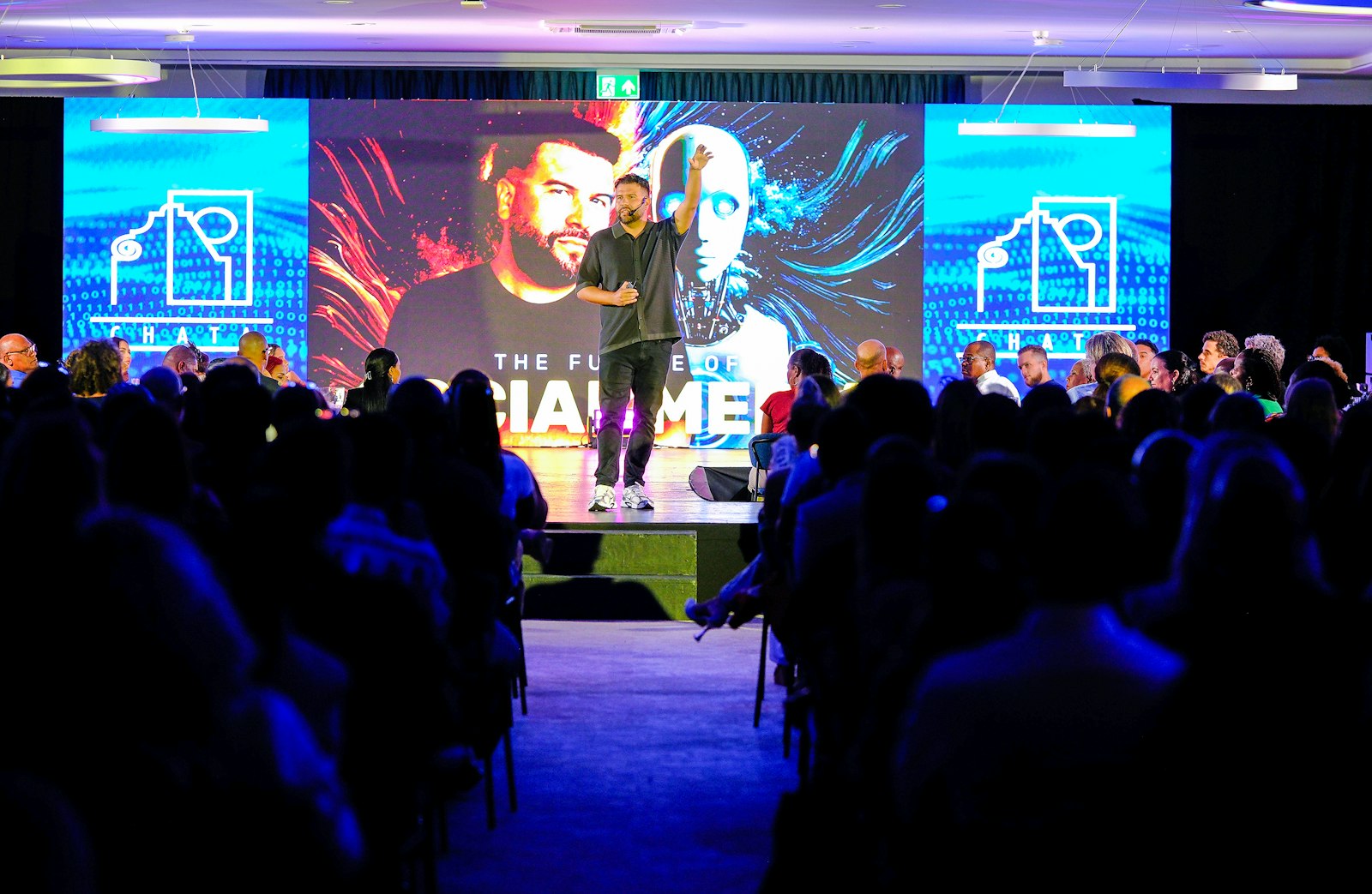
Presentation Coaching for Construction Teams Chasing Larger Projects

As construction firms pursue larger and more complex projects, the interview carries more weight. Competitors often have similar qualifications, similar pricing, and similar references. What separates them is how clearly the team communicates its plan. Presentation coaching helps construction teams prepare for exactly that moment.
The Field Team Is the Message
Owners increasingly want to meet the people who will run the job. Coaching places the superintendent, project manager, and preconstruction lead at the center of the presentation. Many of these professionals are skilled communicators on site but uneasy in a formal interview. A coach helps them translate their daily competence into a clear, confident presentation.
Building the Narrative Around Risk
Owners worry about schedule, cost, quality, and safety. A coach helps the team address those concerns directly. For each risk, the team states what could go wrong, what they have done on similar projects, and what they will do on this one. Concrete examples, such as how a team handled a late material delivery, make the answers believable.
Cutting What Does Not Help
Construction proposals contain a wealth of material, and teams are tempted to include it all. A coach edits ruthlessly. Slides that exist only for completeness are removed. Statistics that do not relate to the owner's priorities are dropped. What remains is a tight story that fits comfortably in the time allowed.
Rehearsal Under Realistic Conditions
Coaches run mock interviews with outside reviewers who ask hard questions. Teams practice transitions between speakers, answering as a group, and staying within time limits. Video review helps participants see the habits that distract, such as turning away from the audience or speaking in long, winding sentences.
Using Visuals to Prove Preparation
Site logistics diagrams, phasing plans, and schedules shown clearly demonstrate that the team understands the job. Coaching reviews these visuals for clarity and helps presenters explain them in a few sentences. A visual that needs five minutes of explanation is revised until it does not.
Following Up
The interview does not end when the team leaves the room. Coaching often includes guidance on leave-behinds and follow-up communication that reinforce the main messages. A short, consistent follow-up keeps the team present in the owner's mind while decisions are made.
Coaching Different Personalities
Construction teams often combine a quiet technical lead with an outgoing executive. A coach finds a role for each. The quiet presenter may be best placed in the section on logistics, where depth matters, while the executive handles the opening and close. Matching speakers to content brings out the best in each.
What a Typical Engagement Looks Like
A typical engagement includes a kickoff review of the pursuit, a message workshop, two or three rehearsals, and a final dress rehearsal with outside reviewers. The schedule is compressed in the final weeks before an interview. Between sessions, team members revise slides and practice their sections so each rehearsal builds on the last.
Choosing a Coach
Select a coach who understands construction pursuits and has seen how owners evaluate teams. Ask how they structure engagements, how many rehearsals are included, and how they give feedback. The best coaches push teams hard in rehearsal and leave them feeling prepared. Book the engagement as soon as the shortlist is announced, so the team has time to apply the feedback to slides and delivery.
The Bottom Line
Presentation coaching helps construction teams show what they already do well. It sharpens messages, builds confidence, and polishes delivery under conditions that resemble the real interview. For firms moving into larger markets, it is a practical way to make sure the quality of the work is matched by the quality of the pitch.