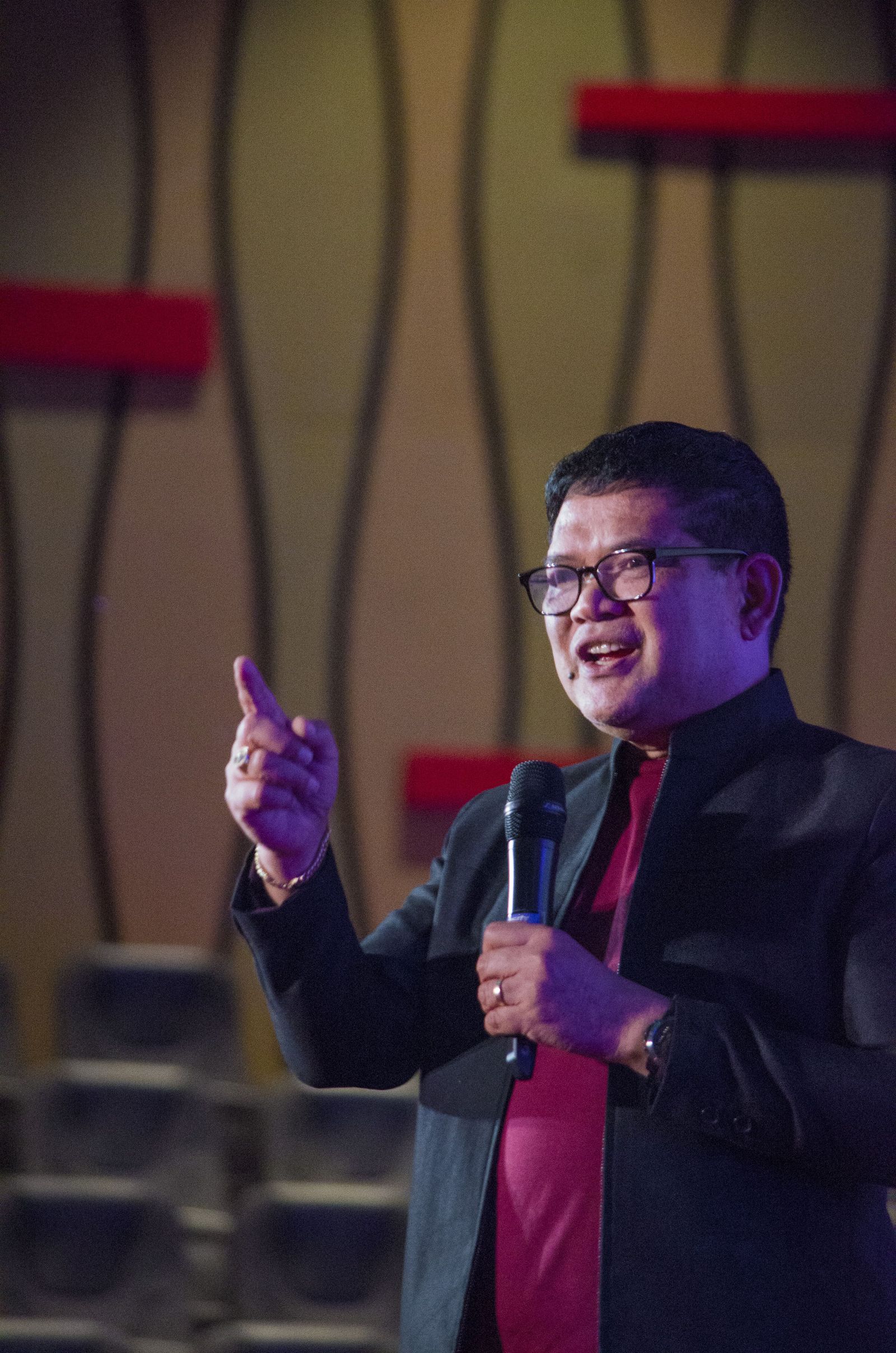
Presentation Coaching for Construction Professionals: Preparing for the Owner Interview

The owner interview is where qualified construction teams are separated from selected ones. Prices are close, experience looks similar on paper, and the selection committee is trying to decide whom they trust. Presentation coaching prepares project managers, superintendents, and executives for that room by tightening the message, sharpening delivery, and rehearsing the hard moments before they happen. It is among the most direct ways a construction firm can improve its win rate without changing a single number in the proposal.
Understanding What the Committee Is Weighing
Coaching begins with the audience. Who sits on the selection panel, what are their priorities, and what concerns will they bring into the room? A hospital system worries about patient disruption. A university cares about the academic calendar. A municipality watches public perception. A coach helps the team shape the message around those specific concerns instead of a generic capabilities pitch. Reviewing the request for qualifications, the scoring criteria, and any public statements by the owner gives the team a clear map of what will be rewarded.
Choosing the Right Presenters
Roles matter. The superintendent who will run the site should speak to logistics and safety. The project manager should address schedule, cost, and communication. Executives should be brief and focus on commitment. Coaching helps a team decide who speaks when, so that every voice adds something and none repeat what a colleague said a minute earlier. Seniority alone is a poor guide, since the best presenter is the person who knows the topic and can explain it simply.
Turning Experience Into Specific Stories
Committees remember stories, not claims. A coach helps each presenter find one or two real examples that show how they handled a similar challenge, such as a phased renovation in an occupied building or a recovery after a delayed delivery. These details demonstrate judgment and make credentials believable in a way a slide of past projects cannot. A good story names the problem, the decision the team made, and the measurable result, in about a minute.
Managing Time and Nerves
Interview slots are short, and many teams run long. Coaches use timed rehearsals to cut material that does not earn its space. They also help nervous presenters build routines for breathing, pacing, and opening strong. Confidence comes from knowing the material cold and from having practiced the first two minutes enough that they feel automatic. Planning to finish a few minutes early leaves room for questions and removes the pressure that makes people speed up at the end.
Practicing Questions Out Loud
The question period often decides the outcome. A coach plays the committee, asking about change orders, subcontractor defaults, safety incidents, and schedule recovery. Teams practice answering briefly and honestly, and they learn to pass questions smoothly to the right colleague. Rehearsing aloud reveals weak spots far more reliably than silent review of notes. Having a coach interrupt politely, as a real panelist might, builds the habit of recovering the thread without losing composure.
Following Up After the Interview
Coaching can extend to the follow-up as well: thank-you notes, responses to clarifying questions, and any best-and-final submissions. These touchpoints reinforce the message from the interview and show the same attention to detail the team promises on the job. A short, specific note that references something the committee raised shows attentiveness and keeps the team present in their minds.
The Bottom Line
Presentation coaching helps construction teams show owners what they are like to work with. Through audience research, role clarity, specific stories, and realistic rehearsal, teams walk into the interview prepared and walk out with a stronger chance of being selected.