Coaching Construction Leaders to Present Safety Performance Credibly

Safety is a required topic in almost every construction interview, and almost every team has the same slide. It shows an experience modification rate, a recordable incident rate, and a photo of workers in hard hats. Owners have seen it many times. A panel that has reviewed a dozen proposals can recite the usual claims before the presenter finishes the first sentence. Presentation coaching for construction leaders helps teams move beyond the standard slide and discuss safety in a way that shows how the culture works on a real project.
Move From Metrics to Practice
Numbers matter, but they only describe results. Coaching helps leaders explain the practices behind them: how pre-task planning happens, who runs the morning huddle, and what authority a worker has to stop a job. A single concrete story about a stop-work call that prevented an injury says more than a page of statistics. We help leaders choose stories that are specific, recent, and relevant to the project type.
Put the Superintendent in the Spotlight
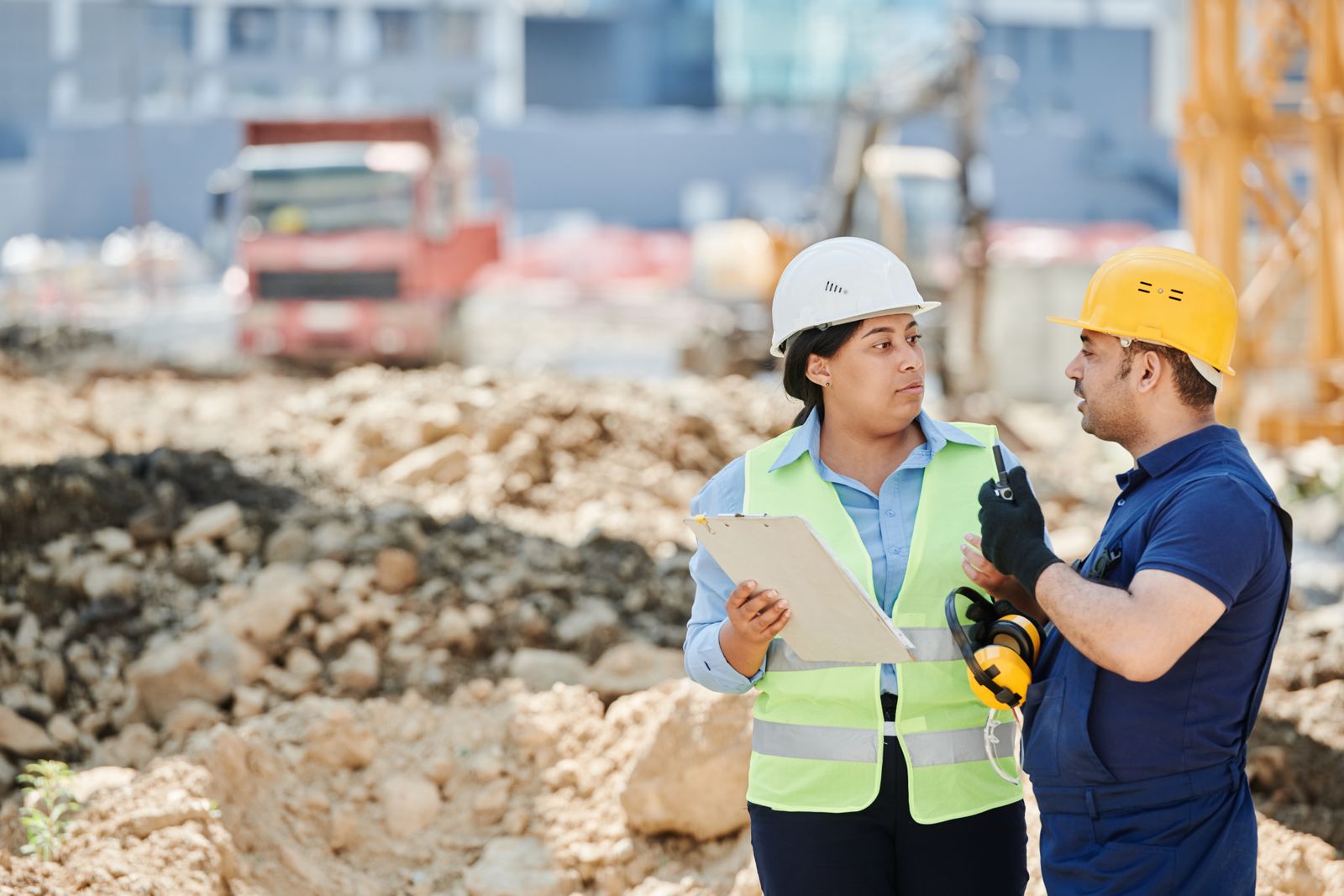
The person who sets the safety tone on a site is usually the superintendent. Owners know this and want to hear from that person directly. Coaching prepares superintendents who are comfortable in the field but less so in a conference room. We work on a short, natural explanation of how they run the site, in their own words, with no script and no jargon. Owners often watch the superintendent more closely than anyone else, because they will work with that person every day.
Address Incidents Honestly
Most firms have had an incident, and panels often ask about it. Leaders who deflect lose credibility, while those who answer plainly gain it. Coaching covers how to describe what happened, what the investigation found, and what changed afterward. The tone should be factual and respectful of the people involved. Rehearsing this answer in advance prevents the defensive reaction that can undermine an otherwise strong interview.
Tailor Safety to the Owner's Setting
A hospital owner worries about infection control and patient safety around the site. A school district cares about students on adjacent walkways. An industrial owner thinks about live process units and lockout procedures. Coaching teaches presenters to connect their safety program to these particular concerns, using examples from comparable projects. A tailored answer shows the team has thought about this owner and not only about safety in general.
Include Subcontractors in the Story
Most of the people working on a site are employed by subcontractors. Owners want to know how the general contractor brings them into the safety program. Presenters learn to describe prequalification, orientation, and shared accountability in practical terms. Mentioning how subcontractor workers are recognized for good practice adds a human dimension that numbers cannot supply.
Keep the Visuals Simple
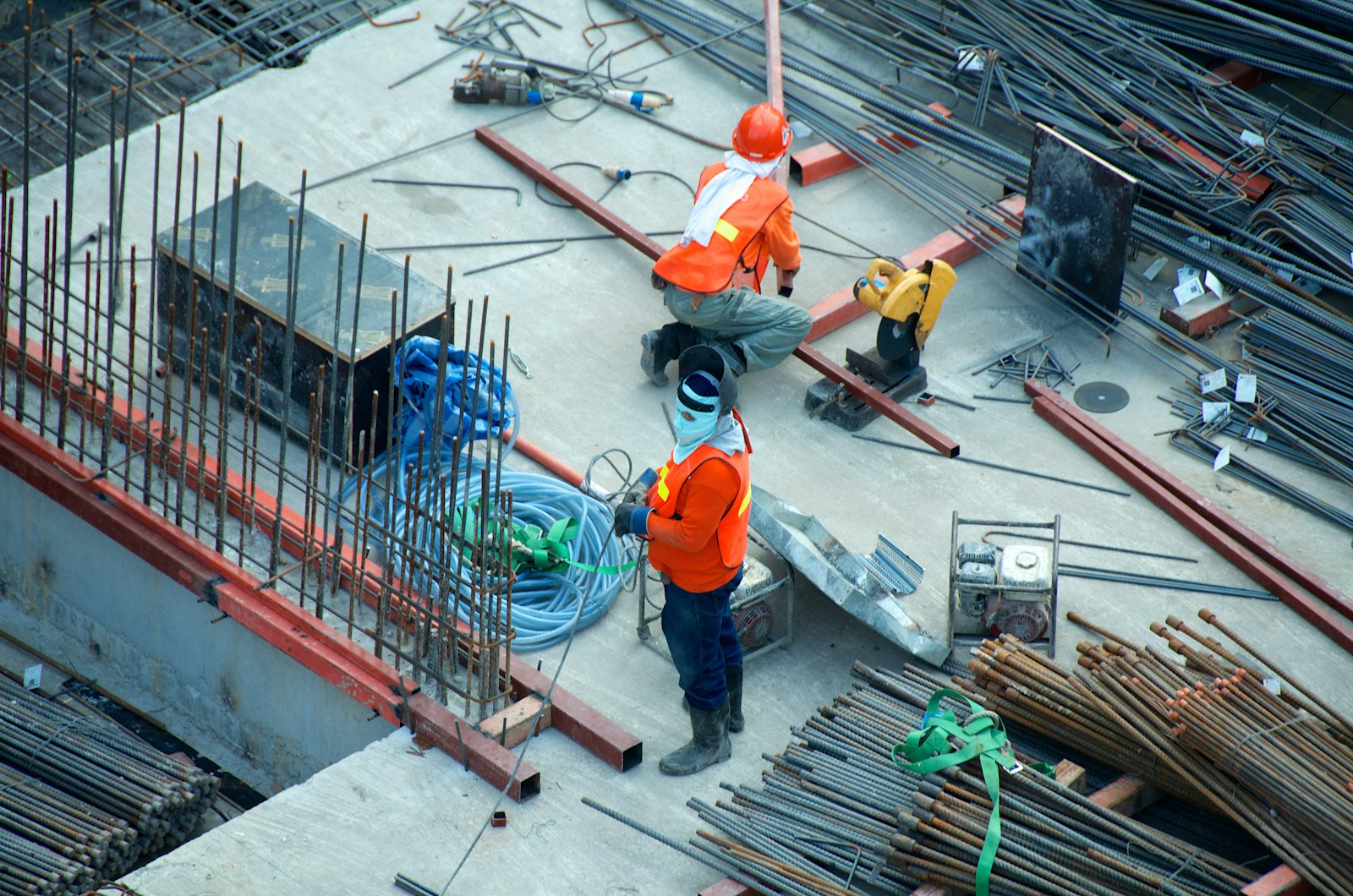
A safety slide should have one chart and one photograph at most. Coaching helps teams choose an image from a real project instead of a stock picture, and a chart that shows a trend over several years rather than a single point. Fewer elements leave room for the presenter to speak and for the panel to listen. Subtle design choices like these tend to separate a memorable safety discussion from a routine one.
The Bottom Line
A credible safety presentation rests on specific practices, honest answers, and visible commitment from the field leadership. Coaching gives construction leaders a chance to rehearse those elements and sound like the people who actually run the work. The result is a safety discussion that owners remember for the right reasons. That memory can matter on the day the panel compares final scores.